
Start Now for Christmas Cactus Blooms This Winter
Start Now for Christmas Cactus Blooms This Winter
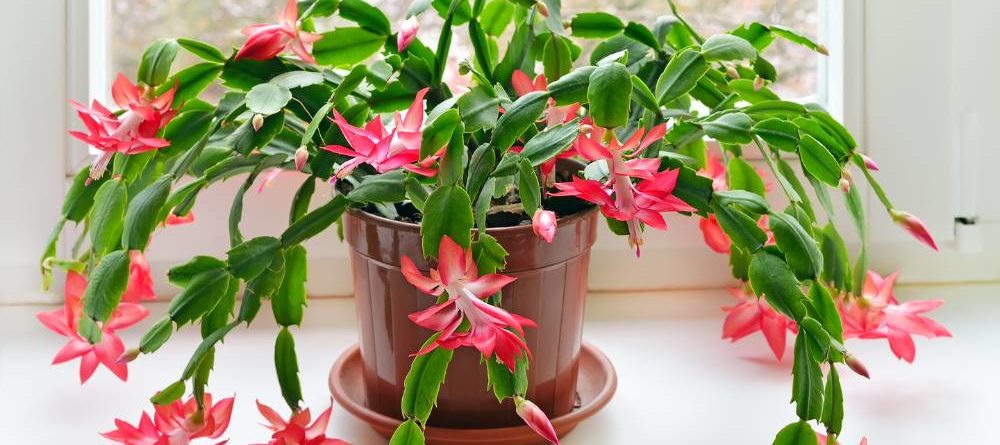
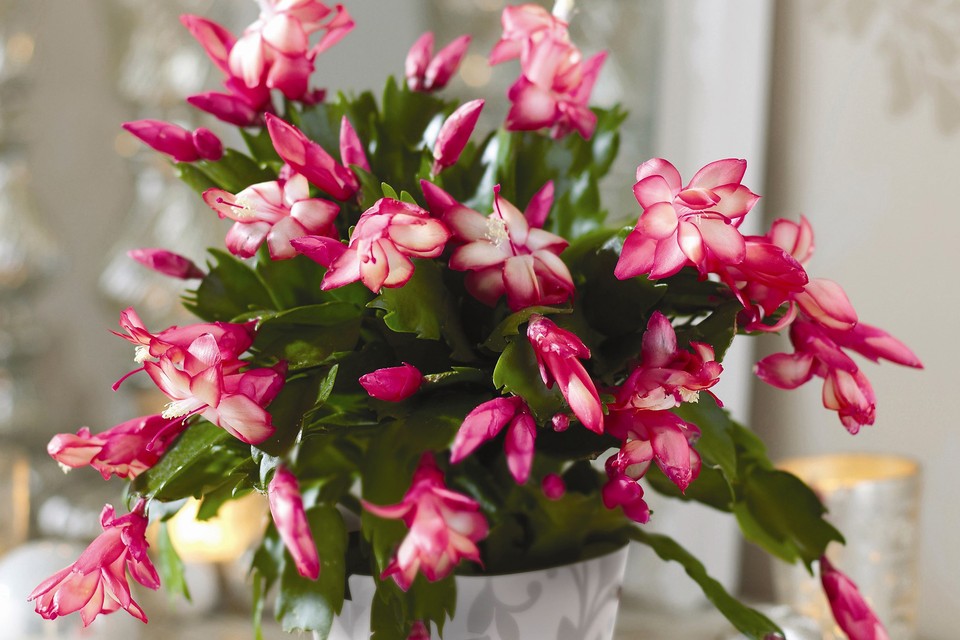
If your Christmas cactus (Schlumbergera bridgesii) has skipped blooming in past years, the fix usually comes down to timing and environment. Late summer into early fall in North Texas, what you do will determine whether you have blooms by the holidays. In other words, act now!
Because these plants are not true desert cacti (they’re actually native to Brazilian forests), their care is quite different from what many gardeners expect.
Light and Temperature Matter Most
Christmas cactus is a “short-day” plant, meaning it blooms in response to longer nights. To trigger buds, plants need about 6–8 weeks of 12–14 hours of uninterrupted darkness each night, along with cooler temperatures between 55–65°F.
Placing plants outdoors in a shaded area in early fall can help naturally provide these conditions. However, they do not need heat to bloom. In fact, excessive heat can delay bud formation. Outdoor placement works best because of natural daylength changes and cooler nights, but bring plants indoors before temperatures drop below 50°F.
Indoors, you can simulate conditions by placing the plant in a room that stays dark at night (no lamps or TV light) or covering it nightly.
Water and Feeding
Continue regular watering through summer, allowing the top inch of soil to dry between waterings. Beginning in early fall, slightly reduce watering to just enough to avoid wilting. Overwatering at this stage can reduce blooming.
Fertilize monthly during active growth with a balanced houseplant fertilizer, but stop feeding once buds begin to form.
Avoid Bud Drop
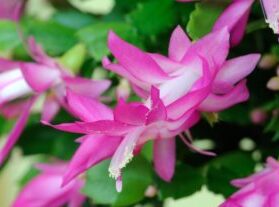
Once buds appear, avoid moving the plant. Changes in light, temperature, or moisture can cause buds to drop.
Propagation for Holiday Gifts
Now is also an excellent time to propagate Christmas cactus for holiday giving. Simply:
- Take a cutting with 2–4 segments
- Let it dry for 1–2 days to callus
- Place in a well-drained potting mix (such as cactus mix with added peat)
- Keep lightly moist and in bright, indirect light
Roots typically form within a few weeks. By the holidays, you’ll have a small but established plant ready to share with friends and loved ones.
A Final Tip
If your plant still refuses to bloom, it might actually be a Thanksgiving cactus (Schlumbergera truncata), which blooms earlier and has slightly different light sensitivity. The care is similar, but bloom timing differs.
With proper light control, cooler temperatures, and a little patience, your Christmas cactus can become a reliable holiday tradition, as well as a thoughtful, homegrown gift.
Resources
Texas A&M AgriLife Extension. Christmas Cactus
https://aggie-horticulture.tamu.edu/ornamental/a-reference-guide-to-plant-care-handling-and-merchandising/selected-foliage-flowering-plants/flowering-plants/christmas-cactus/
Texas A&M AgriLife Extension, Propagating Foliage & Flowering Plants
https://aggie-horticulture.tamu.edu/ornamental/a-reference-guide-to-plant-care-handling-and-merchandising/propagating-foliage-flowering-plants/
University of Minnesota Extension. Holiday Cactus Care.
https://extension.umn.edu/houseplants/holiday-cacti
Clemson Cooperative Extension. Thanksgiving & Christmas Cacti
https://hgic.clemson.edu/factsheet/thanksgiving-christmas-cacti/