
After the Drought: How to Rebuild Your North Texas Garden
After two months of punishing heat and little rainfall, many North Texas gardens are showing the strain. Lawns have turned brown, shrubs have dropped leaves, perennial beds look exhausted, and even established trees may be showing signs of distress.
For gardeners who have spent years nurturing their landscapes, the damage can be discouraging. But before pulling out struggling plants or making a trip to the nursery, it’s worth remembering an important principle: A plant that looks dead may simply be protecting itself.
Drought affects different plants in different ways. Some go dormant, others shed leaves to conserve moisture, and some suffer permanent damage. The challenge this fall is learning to recognize the difference and making thoughtful decisions about what comes next.
First, Take Inventory: What’s Alive and What’s Not?
Before removing anything, walk through your garden and assess the damage.
Start with your trees and shrubs. Brown leaves, sparse foliage, and premature leaf drop can be signs of drought stress rather than death. Some plants shed leaves as a survival mechanism, reducing the amount of water lost through transpiration.
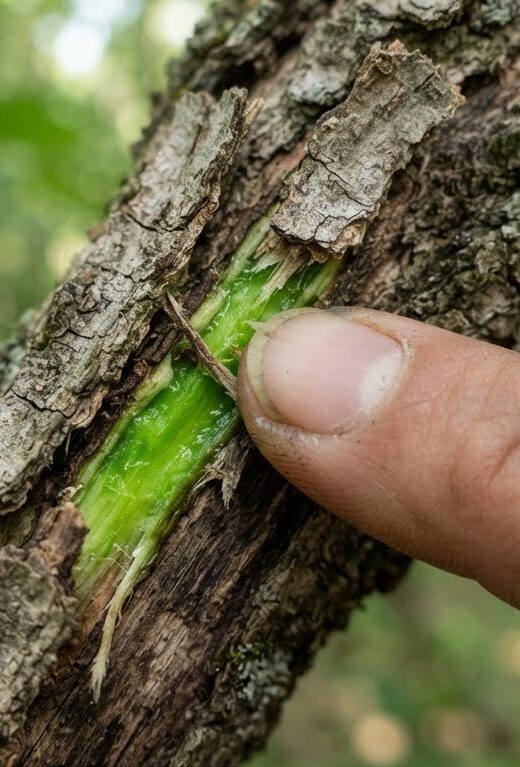
A simple scratch test can offer a clue. Gently scrape a tiny section of bark from a small twig. Green, moist tissue underneath generally indicates that portion of the branch is still alive. Brown, dry tissue may indicate dieback. Test several branches before reaching a conclusion.
Also examine the buds. Healthy, firm buds are encouraging, even when the surrounding leaves have dried up.
For perennials, look for healthy tissue near the crown or base of the plant. Many established perennials can survive severe summer stress and return when conditions improve.
The takeaway: Don’t be too quick to remove plants. Some may need weeks or even until next spring to demonstrate whether they will recover.
What Can Be Saved?
Many established landscape plants are surprisingly resilient when their root systems remain healthy.
Trees: Mature trees are among the most valuable features of a landscape and should be the first priority for recovery. Even trees that have lost significant foliage may survive. Water slowly and deeply across the root zone, extending well beyond the trunk. Avoid heavy pruning or fertilizing stressed trees, and consult a certified arborist if you notice significant branch dieback, bark damage, or other signs of decline.
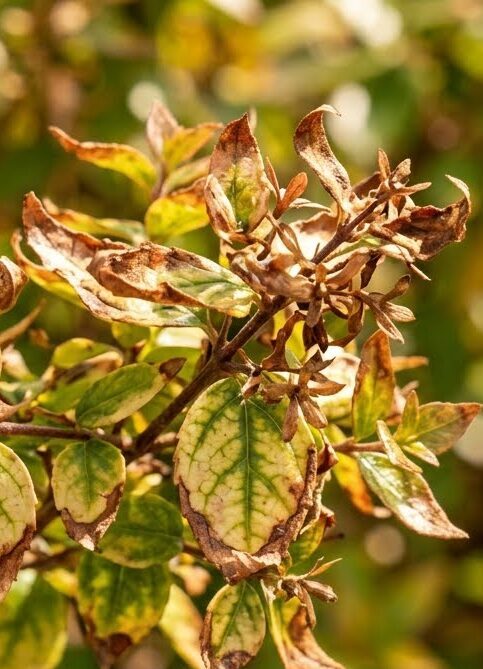
Shrubs: Established hollies, yaupons, abelias, and other landscape shrubs may recover from leaf scorch or partial defoliation. Check branches for living tissue and wait for signs of new growth before making major pruning decisions.
Perennials: Many heat-tolerant North Texas favorites, including autumn sage, lantana, and black-eyed Susan, may look unattractive after a harsh summer but recover from healthy crowns or roots. Remove clearly dead flower stalks, but avoid aggressively cutting back plants that are still struggling.
Lawns: Brown turf is not always dead turf. Bermudagrass and zoysiagrass can enter drought dormancy, although prolonged drought can eventually kill them. Check for living stolons, rhizomes, or crowns and watch for renewed growth after adequate moisture returns. St. Augustinegrass is generally less tolerant of extended drought and may have suffered more permanent damage.
What Should Be Replaced?
Some plants simply will not recover, and recognizing when to move on is part of successful gardening.
Annual flowers that have completed their life cycles or suffered severe root damage can be removed and replaced with appropriate cool-season selections.
Shrubs with extensive dead wood and no evidence of living buds or healthy tissue may also need replacement, although valuable specimens deserve additional observation before removal.
For lawns, areas that remain completely bare after moisture and favorable growing conditions return may need repair. However, October is not the ideal time to establish most warm-season turfgrasses in North Texas. Major Bermuda, zoysia, and St. Augustine lawn repairs are generally better scheduled for late spring or early summer, when active growth supports establishment.
When replacing plants, consider whether drought exposed a problem with the original planting. Was the plant poorly suited to full sun? Was the soil too compacted? Was irrigation inadequate? Replacing a struggling plant with the same species in the same conditions may only repeat the problem.
Start With the Soil
One of the most important steps in drought recovery happens below ground.
Extended heat and dry conditions can leave soil hard, compacted, and difficult to rewet. In North Texas, where many landscapes have heavy clay soils, water may run off the surface instead of penetrating deeply into the root zone.
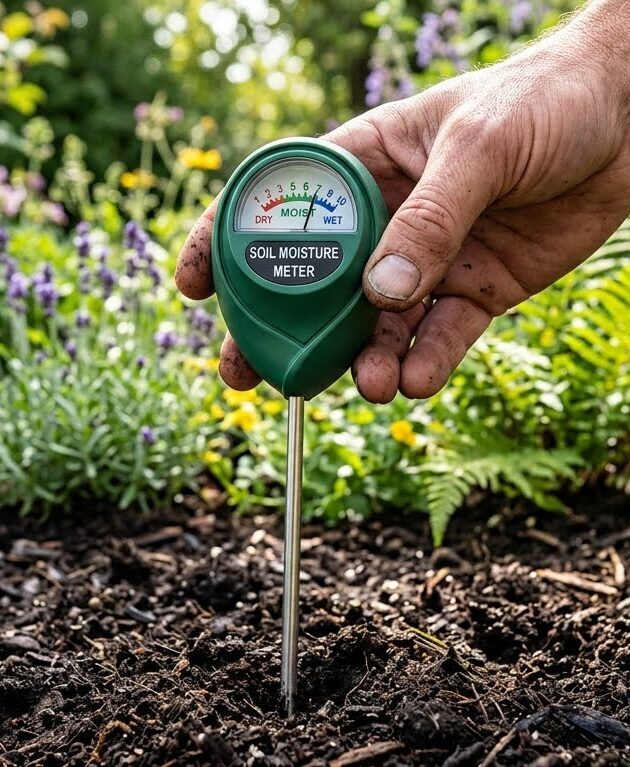
Begin by checking soil moisture several inches below the surface. If the soil is extremely dry, apply water slowly, allowing time for absorption. Several shorter watering cycles may be more effective than one long application, particularly on sloped or compacted ground.
Once the soil has been adequately moistened, consider adding compost to vegetable beds and other planting areas where it can be incorporated without disturbing established roots.
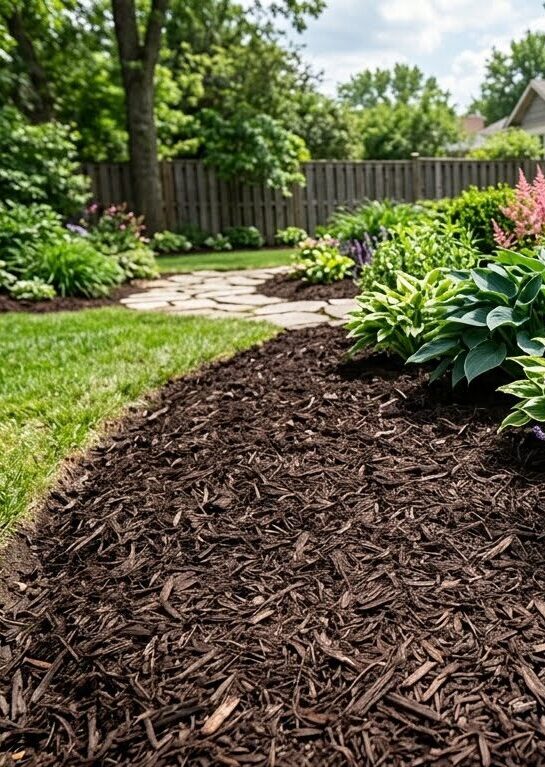
Apply two to three inches of organic mulch around trees, shrubs, and perennial beds, keeping mulch away from trunks and plant crowns. Mulch moderates soil temperatures, conserves moisture, and gradually contributes organic matter as it decomposes.
Avoid deep tilling around established trees and shrubs, where feeder roots may be close to the soil surface.
Water Wisely During Recovery
After a long drought, the temptation is to water everything heavily. But plants recovering from stress need consistent moisture, not saturated soil.
Deep, measured watering generally encourages healthier root development than frequent, shallow irrigation. The appropriate amount depends on the plant, soil, recent rainfall, and drainage conditions.
Check moisture before watering, and remember that fall’s cooler temperatures usually reduce water demand.
Pay particular attention to newly planted trees, shrubs, and perennials. Their root systems are less extensive than those of established plants, making them especially vulnerable to drought stress.
Follow local watering restrictions and avoid irrigation runoff onto sidewalks and streets.
Resist the Urge to Fertilize
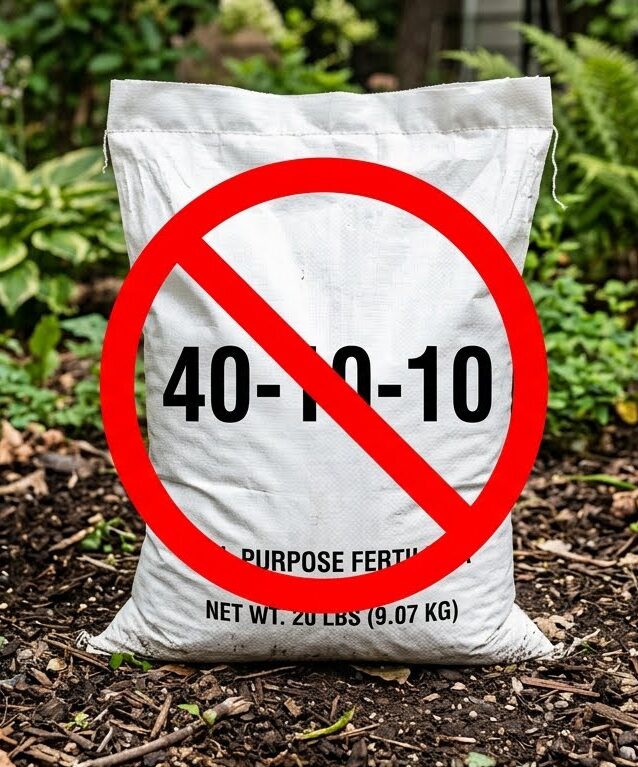
A struggling garden can make fertilizer seem like an easy solution. Unfortunately, fertilizing drought-stressed plants can do more harm than good.
Fertilizer does not repair damaged roots or replace missing moisture. Encouraging a flush of new growth late in the season can also make some plants more vulnerable to winter injury.
Instead, focus on proper watering, mulch, and soil health. Use soil testing to guide future nutrient applications rather than fertilizing simply because plants look weak.
The Texas A&M AgriLife Extension soil testing program can help homeowners determine whether amendments are needed.
Rethink Your Landscape for the Next Drought
Perhaps the greatest opportunity after a difficult summer is the chance to make a garden more resilient.
When choosing replacements, look for plants suited to North Texas conditions, including heat, periodic drought, alkaline soils, and occasional winter freezes.
Texas native and well-adapted plants can be excellent choices. Depending on the site, consider Texas sage, autumn sage, flame acanthus, gulf muhly, or other plants selected for their mature size, sunlight requirements, and soil preferences.
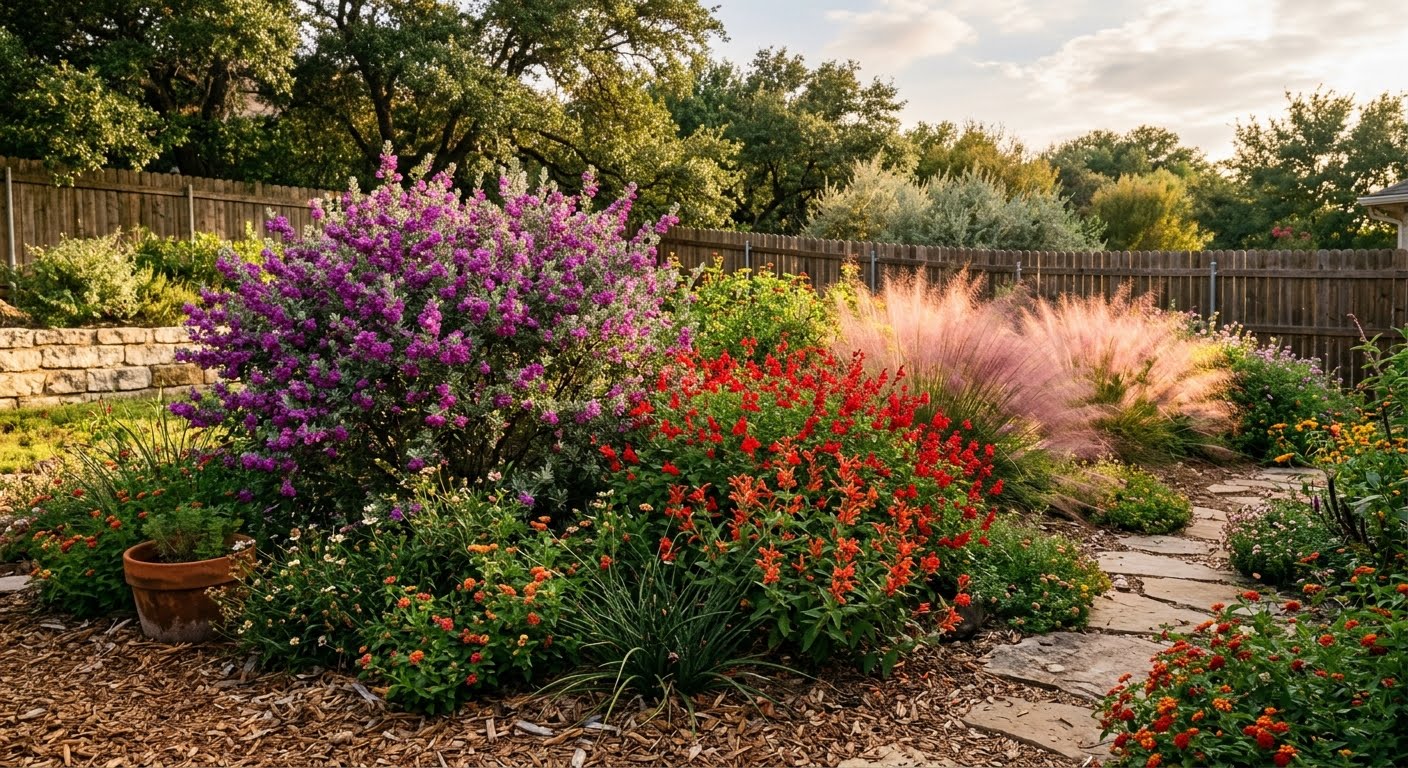
Remember that even drought-tolerant plants require regular watering while their root systems become established.
Fall is an excellent planting season for many trees, shrubs, and hardy perennials in North Texas. Cooler temperatures reduce transplant stress, while relatively warm soil can support root development before winter.
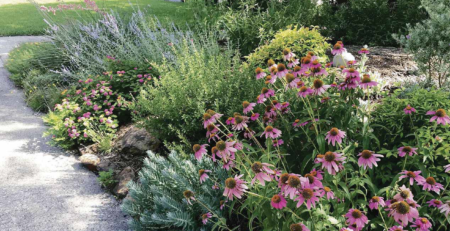
It is also an opportunity to reconsider turfgrass. Could a difficult-to-maintain section of lawn become a mulched bed, a pollinator garden, or a planting of drought-adapted perennials? Could irrigation zones be adjusted to give trees, shrubs, and turf the different amounts of water they actually need?
A resilient landscape doesn’t necessarily require less beauty. Often, it simply requires better plant choices and more thoughtful design.
A Fall Recovery Checklist
- Assess before removing. Look for living buds, green tissue, and healthy plant crowns.
- Prioritize trees. Protect established trees and consult an arborist when significant damage is suspected.
- Rehydrate carefully. Water slowly and check soil moisture rather than assuming more is better.
- Refresh mulch. Maintain a two- to three-inch layer while keeping trunks and crowns clear.
- Hold the fertilizer. Let stressed plants recover before considering additional nutrients.
- Replace selectively. Choose plants appropriate for North Texas soils, sunlight, and climate.
- Plan lawn repairs. Wait until the appropriate growing season for major warm-season turf replacement.
- Think long-term. Use this experience to improve irrigation, soil management, and plant selection.
A Garden’s Second Chance
Drought can be devastating to a landscape, but it can also reveal valuable information about how a garden functions.
The plants that survived may point the way toward a more resilient landscape. The areas that struggled may reveal problems with soil, irrigation, or plant selection that can now be addressed.
The most important lesson is not to rebuild everything at once. Observe carefully, preserve what is healthy, and make changes with the next summer in mind.
With patience, thoughtful care, and a little help from cooler fall weather, a North Texas garden can emerge from a difficult season not just restored, but better prepared for whatever comes next.
For additional research-based guidance on North Texas gardening, visit Texas A&M AgriLife Extension and the Dallas County Master Gardener Association.