
Why do we Plant Flowering Bulbs in the Fall?

The period between Thanksgiving and Christmas is considered an ideal time to plant spring blooming bulbs because it allows us to synchronize planting with the natural life cycle of the plant.
In botanical terms, bulbs are considered geophytes; plants that form underground storage organs that hold energy for the plant and protect the developing buds. In nature, many bulbs have evolved to survive in climates with hot, dry summers and cool, wet winters. The bulb sprouts and produces foliage and flowers in the spring. During this active growth period, the plant produces and stores energy in the bulb for the next growing season.
As hot weather approaches, the foliage dies back, and the plant becomes dormant and will not begin growing until cool weather arrives. In fall, cool temperatures trigger the bulb to begin root growth. When winter sets in, the plant goes through a period of winter dormancy and will not begin to sprout until temperatures warm up again. This dormancy-sprouting cycle prevents the plant from emerging when growing conditions are unfavorable.
The bulbs we buy in the fall are still in their summer dormant phase, ready to resume growing once conditions are favorable. When planted in late fall or early winter, the bulbs will have time to establish a healthy root system before spring. Fall planting also allows bulbs to experience the cold, “chilling,” period they need before they can break dormancy in the spring (anywhere from 10 to 14 weeks of cold).
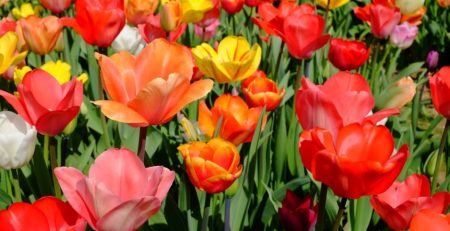
Some flowering bulbs require more hours of cold than the north Texas winter can provide. Varieties, such as Dutch tulips and hyacinths, require a period of additional chilling prior to being planted. If you are wanting to plant these flowers this fall, make sure you purchase bulbs that have been “prechilled” otherwise they may fail to bloom in the spring. Many gardeners treat these bulbs as annuals.


For recommended varieties and planting instructions see:
https://agrilifetoday.tamu.edu/2024/10/24/bulbs-to-blooms-tips-for-fall-bulb-planting/