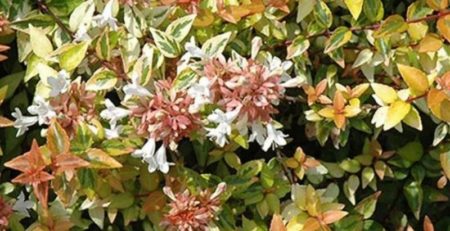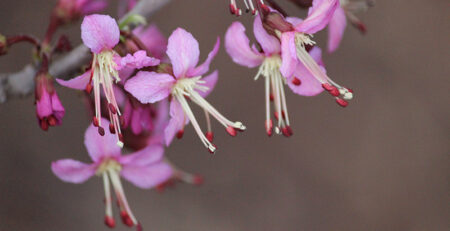

Symphoricarpos orbiculatus, Coralberry, Indian Currant, Buckbrush


- Botanical Name: Symphoricarpos orbiculatus
Common Name(s): Coralberry, Indian Currant, Buckbrush
Category: Shrub
Family: Caprifoliaceae
Lifecycle: Perennial
Lifecycle (Alt): Perennial
Hardiness Zone North: 4A
Hardiness Zone South: 8B
Sun Requirement: Full Sun (6+ hours)
Sun Requirement (Alt): Partial Shade (2-4 hours)
Water Requirement: Low
Growth Rate: Moderate
Maintenance: Low
Plant Adult Height: 3-5 ft
Plant Adult Spread: 3-6 ft
Plant Spacing: 3-5 ft
Soil Preference: Adaptable
Soil pH Preference: Acidic Soil
Propagation: Root Cutting, Seed, Stem Cutting
Attracts: Bees, Birds, Butterflies, Moths
Resists: Deer, Disease
Tolerates: Clay Soil, Drought, Dry Soil, Erosion, Freeze, Heat, Heavy Shade, Shallow Rocky Soil
Miscellaneous: Poisonous to Humans, Not Pet Friendly, Wildflower, Native Plant, Tolerates Poor Soil
Description: Coralberry is a deciduous shrub valued in gardens for its dependable, low-maintenance structure and for the showy berries that persist after flowering, making it useful in naturalistic plantings and as an underplanting where a spreading thicket is welcome. It has opposite, oval leaves and slender arching stems that often form colonies from spreading roots; later in the season it carries clusters of round, coral-pink to reddish-purple berries along the stems that provide strong ornamental interest. It blooms in summer with small, bell-shaped flowers held in short clusters at the leaf axils; the flowers are typically pink-tinged and are

followed by the colorful fruit display. Common uses include massing for groundcover-like shrub layers, stabilizing soil on banks, filling woodland edges, and providing seasonal interest in mixed borders. The flowers attract pollinators, including bees, and the fruits are taken by birds and other wildlife, adding food value and cover for a range of species. Coralberry is tolerant of shade and adapts well to many soils once established, including periods of drought, and it generally shows good tolerance of pruning. As a non-cultivar species, it can spread by suckers and may be aggressive in small, tightly managed beds. The fruits are not considered edible for people.
Propagation & Planting: Plant Coralberry in a site with full sun to light shade and soil that drains well; it tolerates average to somewhat dry soils but avoids spots that stay soggy. Remove weeds and loosen the soil in a wide area, mixing in a small amount of compost only if the ground is very poor, since overly rich soil can reduce establishment. Dig a hole as deep as the root ball and about twice as wide, set Coralberry so the top of the root ball sits level with the surrounding soil, then backfill and firm gently to remove air pockets. Space plants far enough apart that air can move between them and each plant has room to spread naturally. Water thoroughly right after planting to settle the soil, then apply a 2 to 3 inch layer of mulch over the root area, keeping mulch a few inches back from the stems. To propagate Coralberry, take softwood cuttings in late spring or early summer, or lift and divide rooted suckers during dormancy in late fall or early spring, replanting divisions at the same depth and watering them in well.
Plant Care: Grow Coralberry in full sun to partial shade; give more light for best flowering and fruiting, and use light shade where summers are hot. Water regularly the first growing season to keep soil evenly moist but not soggy, then water only during extended dry spells; soak the root zone deeply and let the top few inches of soil dry between waterings. Plant in well-drained soil; Coralberry tolerates a range of soil types but performs best in soil amended with organic matter to improve drainage and moisture balance. Fertilize lightly in early spring only if growth is weak, using a balanced, slow-release fertilizer or a thin layer of compost; avoid heavy feeding, which can cause soft, overly lush growth. Prune in late winter or early spring; remove dead, damaged, or crossing stems, and thin crowded growth to improve airflow. To control spread or
rejuvenate, cut some of the oldest stems to the ground each year; avoid shearing. In containers, use a well-draining potting mix, water more often, and ensure excellent drainage; refresh the top layer of mix annually and keep mulch a few inches away from stems.
Fertilize: Coralberry usually does not need routine fertilization because it is a naturally tough shrub that grows well in average soils, and extra fertilizer can push soft, leafy growth at the expense of flowering and berries. If growth is weak or foliage is pale, feed once a year in early spring just as new growth begins. Use a balanced, slow-release granular fertilizer such as 10-10-10 or 12-12-12, or top-dress with a thin layer of finished compost instead. Apply evenly over the root zone, starting a few inches away from the stems and extending to the drip line,
then water well to move nutrients into the soil. Avoid mid to late season fertilizing, and avoid high-nitrogen lawn fertilizers near Coralberry.
Prune: Prune Coralberry in late winter or very early spring while it is dormant. Start by removing dead, damaged, or crossing stems, cutting back to the base or to a healthy outward-facing side branch. To keep growth dense, thin a few of the oldest stems each year by cutting them at ground level; this encourages fresh shoots. For overgrown plants, you can renew it by cutting all stems down to 6 to 12 inches in late winter, but do this only occasionally. Avoid heavy pruning from late spring through summer, and avoid pruning in fall, because it reduces berry display and can stimulate tender new growth at the wrong time. Use clean, sharp pruners and make clean cuts without leaving stubs.
Pest & Disease: Coralberry is generally durable, but in home landscapes it most often deals with aphids, spider mites, scale insects, and leaf diseases such as powdery mildew and leaf spots; less often, cankers and twig dieback show up on stressed plants. Aphids cluster on tender tips and undersides of leaves, causing curled new growth and sticky honeydew that can lead to black sooty coating; they cause this by sucking sap and distorting expanding tissue. Spider mites are easiest to spot by fine stippling that turns leaves pale or bronzed, occasional light webbing, and early leaf drop; they injure leaves by piercing cells and removing contents, especially during hot, dry weather. Scale insects appear as small, immobile bumps on stems and sometimes leaves, often followed by yellowing, poor vigor, and honeydew; they feed by tapping into plant sap under a protective covering. Powdery mildew looks like a white, dusty film on leaf surfaces with some curling or premature drop; it reduces photosynthesis by coating and stressing leaf tissue. Leaf spots show as scattered brown to black spots that may merge and cause yellowing and drop; these fungi damage leaf tissue directly, often after prolonged leaf wetness. Light infestations of aphids and mites can be handled with strong water sprays and monitoring; repeat if they rebound. Horticultural oil or insecticidal soap can control aphids, mites, and young scale when sprayed to coat pests thoroughly; avoid treating during heat or drought stress. For heavy scale, prune out badly infested stems and apply dormant or summer oil at labeled timing. For mildew and leaf spots, improve airflow, avoid overhead watering, remove heavily infected leaves, and consider sulfur or other labeled fungicides only if disease is recurring and defoliation is significant. Prevent problems by keeping Coralberry evenly watered during establishment, minimizing drought stress, spacing or thinning for quicker leaf drying, cleaning up fallen leaves, and inspecting new growth early so small issues stay small.
Attribution: This plant information is the copyrighted property of PlantTAGG, Inc. (www.planttagg.com) and is published with permission.
Link to Full Profile: https://m.planttagg.com/#/public/details?key=3UQBJ39M8YM3YR4BD8M8AAWBSOX