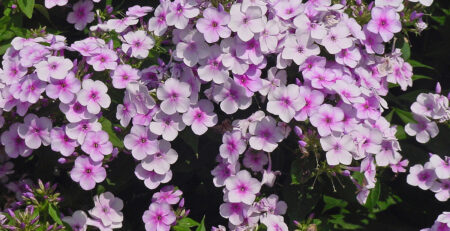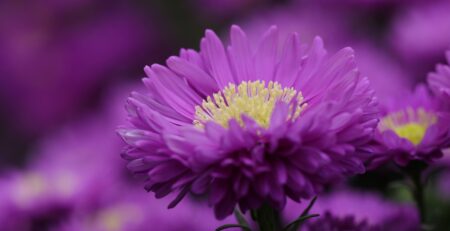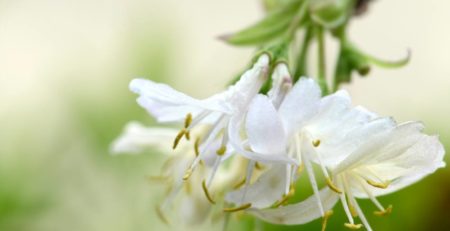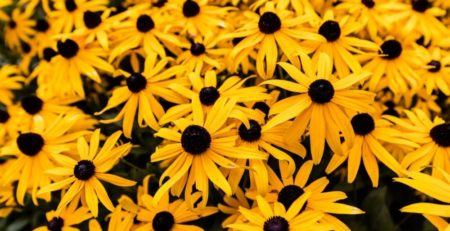

Consolida Ajacis, Larkspur


- Botanical Name: Consolida ajacis, formerly Consolida ambigua
Common Name: Larkspur
Synonyms: Knight’s Spur
Category: Annual
Family: Ranunculaceae
Lifecycle: Annual
Lifecycle (Alt): Annual
USDA Symbol: COAM4
Hardiness Zone North: 2A
Hardiness Zone South: 11B
Sun Requirement: Full Sun (6+ hours)
Sun Requirement (Alt): Part Shade (2-4 hours)
Water Requirement: Medium
Growth Rate: Rapid
Maintenance: Low
Plant Adult Height: 2-3 ft.
Plant Adult Spread: 6-12 in.
Plant Spacing: 8-12 in.
Soil Preference: Loam
Soil pH Preference: Neutral (6.6-7.3)
Propagation: Seed
Attracts: Bees, Butterflies, Hummingbirds
Resists: Deer, Rabbit
Tolerates: Drought, Dry Soil, Freeze, Heat
Miscellaneous: Poisonous to Humans
Description: Larkspur (Consolida ajacis) is an annual ornamental grown for its tall, airy flower spikes and is commonly used to add vertical accents and a cottage garden look in beds, borders, and cutting gardens. Plants form finely divided, fernlike foliage and send up upright stems topped with many flowers held in loose racemes. Bloom typically occurs from late spring into early summer, with each flower showing a distinctive backward-pointing spur and a light, open texture that reads well among other annuals. In gardens it is often planted in groups for a soft, drifting effect, used as a background filler behind lower annuals, and cut for fresh arrangements. The flowers are visited by pollinators, especially bees, and can also attract butterflies. Larkspur contains toxic alkaloids and is poisonous if ingested by people or animals.

Propagation & Planting: Plant Larkspur in a site with full sun to light shade and open-air movement; choose well drained soil, then loosen the top 6 to 8 inches and mix in compost if the soil is poor, avoiding heavy additions that keep it wet. Plant in cool weather: sow seeds directly where they will grow, since Larkspur dislikes transplanting. Rake the surface smooth, scatter seed, then press it into the soil and cover very lightly with about 1/8 inch of fine soil or sifted compost; do not bury deeply. Space sowing so seedlings can be thinned later to several inches apart, leaving room for each plant to grow without crowding. Water gently after sowing to settle seed and keep the top layer evenly moist until germination, using a fine spray to avoid washing seed away, and apply a very light mulch only after seedlings are up if the surface crusts. Propagate Larkspur by seed, sowing outdoors in fall or early spring; collected seed can be sown promptly, and it often benefits from a few weeks of cold, moist conditions to germinate well.

Plant Care: Give Larkspur full sun for best performance; light afternoon shade is acceptable where sun is intense. Water to keep the root zone evenly moist during active growth, especially while buds are forming, but avoid soggy soil. Let the top inch of soil dry slightly between waterings, and water at the base to keep foliage dry. Use well-drained soil; incorporate organic matter if drainage is poor, and avoid heavy, waterlogged sites. Fertilize lightly: mix in a modest amount of balanced, slow-release fertilizer or compost, then avoid frequent high-nitrogen feeding, which can cause weak, floppy growth. Stake early if stems begin to lean, and keep plants supported through flowering. Remove spent blooms to keep the plant tidy and reduce unwanted self-sowing; once flowering finishes, cut stems back and remove declining growth. In containers, choose
a pot with drainage holes and a free-draining mix, and check moisture more often since pots dry faster; do not let containers sit in saucers of water. Monitor for aphids and powdery mildew; improve air flow, avoid overhead watering, and rinse aphids off with a strong spray of water.
Fertilize: Larkspur usually needs little to no routine fertilization because it flowers best in moderately fertile soil; too much nitrogen pushes leafy growth and can reduce blooms. If your soil is poor or you want a light boost, mix a small amount of compost into the top few centimeters of soil at planting time, or apply a balanced, low to moderate nitrogen granular fertilizer such as

5-10-10 or 10-10-10 once in early growth when seedlings are 8 to 15 cm tall. Use about half the label rate, scatter it in a ring a short distance from the stems, and water well to move nutrients into the root zone. Avoid repeat feeding after buds form; switch to no feeding rather than adding more fertilizer.
Prune: Prune Larkspur lightly and with purpose. During the blooming period, remove spent flower spikes as soon as the flowers fade by cutting the stem back to a strong set of leaves or a side shoot; this tidies the plant and can encourage additional bloom. If a stem is weak or crowded, remove it at the base to improve airflow, but do not strip many stems at once. When flowering is finished and the stems begin to yellow, cut the plant back close to the ground and clear away all old growth. Avoid hard pruning while the plant is actively growing but not yet flowering, because removing too much foliage can reduce bloom, and avoid cutting back fresh green growth late in the season. Use clean, sharp snips, and wear gloves since the sap can irritate skin.
Pest & Disease: Larkspur in North American gardens is most often troubled by aphids, spider mites, slugs and snails, and occasional caterpillars, along with the diseases powdery mildew, leaf spot, gray mold, and root and crown rot. Aphids cluster on tender stems and buds, causing curled, sticky leaves and distorted flowers; they weaken growth by sucking sap and leave sugary residue that can turn sooty. Spider mites cause fine yellow stippling, bronzing, and faint webbing because they pierce leaf cells and remove contents, especially in hot, dry conditions. Slugs and snails leave irregular holes and notched edges with shiny slime trails, feeding at night on soft foliage and young shoots; caterpillars chew larger holes and may leave dark pellets. Powdery mildew shows as a white, dusty coating on leaves that can lead to yellowing and poor flowering as the fungus shades and disrupts normal leaf function. Leaf spot appears as scattered brown to black spots that may merge and drop leaves as fungi kill small patches of tissue. Gray mold causes soft, brown collapse of flowers and stems with fuzzy gray growth in cool, damp air as the fungus rapidly decays stressed tissue. Root and crown rot shows as sudden wilting despite moist soil and dark, mushy roots or stem bases because waterlogged conditions let soil fungi attack and destroy water-conducting tissue. Start with monitoring and strong water spray for light aphids, hand-picking for slugs and caterpillars, and improved spacing and morning watering for mildew and molds; use insecticidal soap or horticultural oil for aphids and mites, iron phosphate bait for slugs, and Bacillus thuringiensis for caterpillars when damage is increasing; reserve targeted miticides or a fungicide labeled for ornamentals for persistent, spreading problems. Prevent by keeping foliage dry, removing infected debris and spent blooms, avoiding overfertilizing with nitrogen, watering at the soil line, and ensuring well-drained soil to limit rot.
Attribution: This plant information and images are the copyrighted property of PlantTAGG, Inc. (www.planttagg.com) and are published with permission.
Link to Full Profile: https://m.planttagg.com/#/public/details?key=4ED44YF7K1VHP6FC9HCGH0XLN9D