
Seasonal Rotation: Keeping the Jill Stone Garden Productive Year-Round
A walk through the Jill Stone Community Garden at Temple Emanu-El reveals something interesting happening this time of year. Summer vegetables such as peppers and eggplant are steadily taking over the raised beds, while cool-season crops like kale and collards are still producing their final harvests. Along the edges of the beds, herbs such as basil, parsley, sage, and cilantro fill every available space.
This overlapping of seasons is no accident. It is part of a thoughtful practice known as seasonal crop rotation, one of the most important tools Master Gardeners use to maintain healthy, productive gardens.
Located on the grounds of Temple Emanu-El at the corner of Hillcrest Road and Northwest Highway, the Jill Stone Garden is a designated Dallas County Master Gardener Association volunteer site. The garden produces thousands of pounds of fresh vegetables each year, all of which are donated to the Vickery Meadow Food Pantry through a partnership with the North Texas Food Bank, helping provide nutritious food to families throughout the community.
Why Rotate Crops?
One of the primary benefits of crop rotation is pest management. Many insects and soil-dwelling pests become associated with specific crops. If the same vegetables are planted in the same location season after season, those pests can establish themselves and return year after year.
“Nematodes are a good example,” explained Lori Droppo, Master Gardener and one of the community garden’s leaders. “If you continue growing the

same crop, the nematodes remain in the soil waiting for that plant. When you rotate to a crop they can’t attach to, their population declines.”
The same principle applies to many common garden pests. Aphids, beetles, and other insects often target particular plants. By changing what is grown in a bed from season to season, gardeners make it more difficult for pest populations to become established.
Lori also explained, “Crop rotation also contributes to healthier soil. Different plants utilize nutrients in different ways. Fruiting vegetables such as tomatoes, peppers, and eggplant are heavy feeders and consume significant amounts of nitrogen. Following them with root crops helps utilize remaining nutrients while preparing the bed for future amendments.”

At the Jill Stone Garden, volunteers do not till spent plants back into the soil. The garden’s Vego raised beds leave little room for traditional tilling. Instead, plants are removed while many of their roots are left behind to decompose naturally.
“We’ll often cut the plant at soil level and let the roots break down underground. By the time we eventually pull the remaining root structure, much of the fine root system has already dissipated,” advised Lori.
This practice helps preserve soil structure and encourages microbial activity below the surface. As roots decompose, they create pathways for water movement and provide organic matter that supports beneficial soil organisms.
Pollinator Gardens Follow the Seasons Too
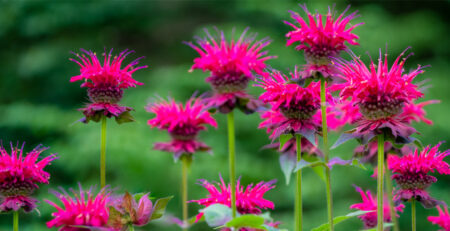
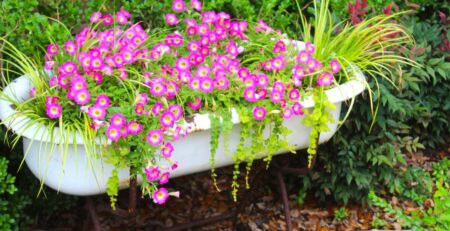
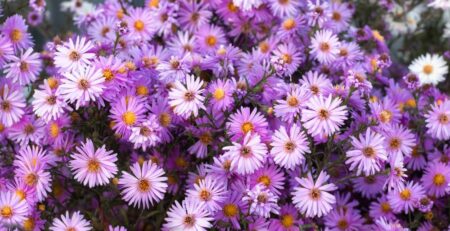
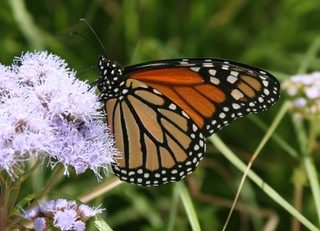
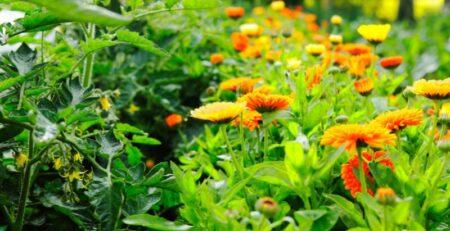
Seasonal rotation isn’t limited to vegetables. The Jill Stone Garden’s pollinator beds also undergo seasonal changes throughout the year.
Some flowering plants thrive during cooler weather, while others excel during the heat of a North Texas summer. Zinnias, for example, tolerate high temperatures and continue producing blooms when many spring flowers have faded.
“This year has presented an additional challenge” according to Janice Prewett, Master Gardener and volunteer lead over pollinators. “Heavy spring rains combined with persistent humidity have created ideal conditions for powdery mildew in some flower beds.”
Garden volunteers are responding by planting a second round of flowers as the weather pattern shifts. With the spring rains easing, they hope the next planting will flourish through the remainder of the growing season and continue providing valuable nectar sources for pollinators.

Every Harvest Makes a Difference
The importance of healthy, productive garden beds extends beyond good gardening practices. Every vegetable harvested at the Jill Stone Garden is donated to the Vickery Meadow Food Pantry located near Walnut Hill Lane and Greenville Avenue.
The garden’s volunteers understand that successful crop rotation ultimately means more fresh produce for families facing food insecurity. By maintaining healthy soil, reducing pest pressure, and maximizing production throughout the year, the garden can continue fulfilling its mission of serving the community.
Join Us in the Garden
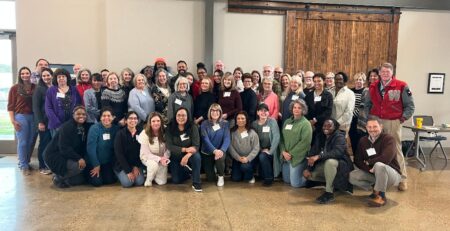
Master Gardeners and community volunteers are always welcome at the Jill Stone Community Garden. Whether you are interested in harvesting vegetables, maintaining garden beds, caring for pollinator plants, or simply learning more about sustainable gardening practices, there is always work to be done.
During the summer months, volunteer opportunities are available:
- Wednesday Harvest: 8:00 a.m. – 10:00 a.m.
- Friday Harvest: 8:00 a.m. – 10:00 a.m.
- Sunday Garden Workday: 8:00 a.m. – 10:00 a.m.
The garden is located at 8500 Hillcrest Road, Dallas, on the grounds of Temple Emanu-El. Visitors should enter through the security gate at the main entrance.
No experience is necessary—just comfortable shoes and a willingness to get your hands dirty. Along the way, you may learn firsthand how something as simple as rotating crops can help sustain a garden that nourishes both the soil and the community.