
Ideas for Summer Planting
Even though I spend countless hours in the garden from January through April, my urge to plant doesn’t disappear just because summer is approaching. In January, I’m busy tucking tulips, daffodils, crocus, and hyacinths into the ground. February is for cleanup and for placing my annual order of Carolyn Whorton caladiums from my favorite Florida grower. I like to order early while the selection is good, and they always ship at just the right time for planting


By March, die‑hard gardeners are glued to the weather forecast, wondering whether a late freeze might still surprise us. Our average last freeze in North Texas is March 12, but every year I have the same conversation with my gardener son in rural Denton. I’ll say, “Surely it won’t freeze now that the days are so warm,” and he’ll remind me that he has seen an April freeze more than once.
Armed with my best guess – and the advice of trusted meteorologists – I decide when to plant flower seeds and whether it’s safe to set out early annuals. By late March and April, warm‑season plants like begonias, angelonia, pentas, and many perennials can go into the ground with little risk. This is when I make my happiest rounds through local garden centers, choosing both carefully and sometimes frivolously. April is such an exciting month in the garden, with new growth emerging and birds singing while the weather is still cool enough for the heavy chores.
Garden experts say Mother’s Day is the ideal time to plant caladiums, once the soil stays warm day and night. So in mid‑ to late May, I faithfully plant fifty or sixty bulbs in my front beds. It takes a month or two for them to make a statement, but those big pink
leaves will brighten the garden until fall. May is also when I inevitably move a few plants around as they begin to crowd one another.
By the time June rolls into July, I’m still itching to plant something new – but the temperatures have climbed into the high nineties. Bringing home a plant from an air‑conditioned nursery and placing it into hot soil feels risky. What, I wonder, can truly handle that transition? With a bit of research, I’ve learned that several Texas natives not only tolerate blazing heat but absolutely thrive in it.

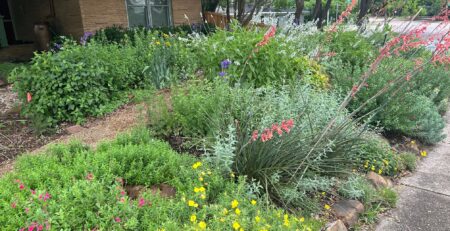
PLANT THESE IN FULL SUN
- Texas lantana (Lantana urticoides)
- Autumn sage (Salvia greggii)
- Mealy blue sage (Salvia farinacea)
- Plains zinnia (Zinnia grandiflora)
- Black‑eyed Susan (Rudbeckia hirta)
- Red yucca (Hesperaloe parviflora) – a striking, low‑maintenance choice beloved by hummingbirds.
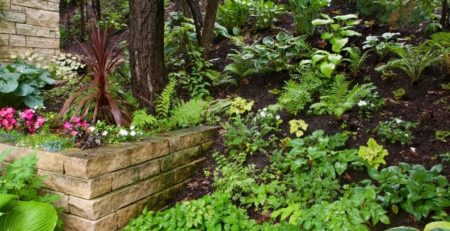
PLANT THESE IN SHADE OR DAPPLED SHADE
- Cedar sage (Salvia roemeriana) – a compact, drought‑tolerant perennial with cheerful red blooms.
- Turk’s cap (Malvaviscus arboreus var. drummondii) – 4 to 6 feet tall, with large textured leaves and turban‑shaped red flowers that attract butterflies and hummingbirds.
- Inland sea oats (Chasmanthium latifolium) – graceful, with wheat‑colored seed heads that sway in the breeze; spreads readily.
- American beautyberry (Callicarpa americana) – needs room to grow, but rewards you with brilliant purple berries in late summer.

All of these natives are tough, reliable, and require little to no supplemental water once established – a blessing during our long, hot summers.
If you’re an extremely dedicated gardener, as I am, you can plant almost anything in summer as long as you’re willing to keep a close eye on it and provide frequent water. I’ve even transplanted shrubs in July and managed to keep them alive, so planting something from a container feels like a piece of cake in comparison.
Have a wonderful summer, and enjoy your garden.