
Caring for Plants After a Hard Freeze
Thanks to several days of warning by the weather forecasters before the recent hard freeze, I was ready to protect my plants. I have lots of sheets stored away for just such a use, and yards and yards of frost cloth that I pin down with the appropriate staples. After frantically searching for said staples in the garage and the shed, I vowed that I would store them with the frost cloth after this freeze. I watered the roots well, then covered all plants that might suffer damage from a harsh and lengthy freeze, paying particular attention to plants that had been placed in the ground in the last few months.
As I waited out the January storm, peering out the windows at the heaps of soaked sheets and ghostly frost cloth covering my precious plants, I worried about their survival. I had lots of time to study what to do when the warm days return and my research uncovered some helpful information.
Don’t get in a hurry to prune.
Sometimes I am tempted to immediately cut back everything that looks brown or wilted, however, patience is key when deciding what needs attention after a freeze. Spring is closer than we think, and it won’t be long until plants will begin pushing out new buds and leaves. At that time you will be better able to determine what pruning is necessary. Texas A&M AgriLife has an informative article “Learn to Live with ugly after freeze damage”.

Annuals
Pansies, violas and snapdragons that you planted in containers may be doomed, but those in the ground will recover. Just trim off the brown parts and they will return to their vibrant colors, once again adding interest to your garden until time to replace them with spring and summer annuals.

Perennials
Despite the suggestion that patience is the best policy, ferns can be cleaned up when you are ready. Remove all the brown fronds, and the ferns will rebound just fine. Holly ferns will have brown and damaged leaves, and it is easy to see what to prune from them, although I leave them untouched until spring because the old, damaged fronds might be some protection if there is another freeze. For Autumn Joy, Orange stonecrop, Lemon Ball and other sedums, the mushy leaves above ground can be removed immediately, and you might even see the tiny buds that were already beginning to sprout before the freeze.
Hellebores, or Lenton roses, will be perfectly fine. They will require their usual pruning back of large, older or browning leaves in the spring, but they have no problem with a hard freeze. Salvias will probably have mushy leaves and limp stalks after a hard freeze, but do not trim all this dead foliage off right away because it will protect the crown if there is a subsequent freeze. Turk’s cap will appear dead, but the roots are fine.
Shrubs
Boxwoods will have bronze leaves and look bad for awhile after a freeze, but, in my own garden at least, they always recover just fine and return to their vibrant green by spring. It is best to hold off on the fertilizer, and if you do decide to fertilize boxwoods in the spring, only the lightest application of an organic fertilizer should be used.
Hollies and Camellias are like boxwoods; they may have some brown leaves, but they are probably fine. Loropetalum is not dead, no matter how damaged the upper leaves are. There are a couple of ways to remove the frost damaged portions – snip the branch down where it shoots off the main limb or use your finger and thumb to peel away the brown leaves.
Variegated pittosporum, unless it is the dwarf variety, probably will not recover unless you took every precaution. If you have either Cream de Mint or Mojo dwarf varieties, and you covered them well before

the freeze, they might survive. The two Mojo plants flanking my front steps made it through the 2021 freeze covered by only a sheet. The dark green pittosporum can be sensitive, but it is somewhat tougher than the large, variegated varieties.
In the Viburnum family, most of the deciduous varieties will survive a hard freeze, but evergreen varieties, such as Sweet Viburnum, may have dead branches and root damage after a freeze that cause the plant to die. Sometimes though, even a plant that appears beyond hope will revive, so leave them until spring to make sure.
Trees
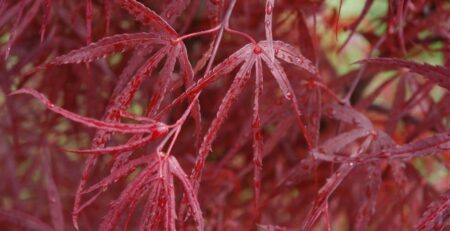
Most mature North Texas trees are fine during hard freezes, but if you hav a newly planted or young tree that was not well watered, covered, and heavily mulched, there may be some damage. Young live oaks, ash, red oaks and wax myrtles can suffer from severe freezes. Look for bark splitting and branch dieback on young trees and give them attention for the first few months after a freeze. Don’t prune until spring, and when in doubt in the spring, the scratch test to see if there is still green under the bark is a good way to see if the tree is still alive. Japanese maples are not a bit bothered by hard freezes unless they are young and in a small container. I sometimes move these into the garage, but those in the ground are all fine.
Be Patient
We may still have another freeze this winter, although not likely a lengthy hard freeze. Our last average freeze date is March 12. Be patient about your plants and before you know it, late March will be here and you can determine the health of your plants and busy yourself with the spring garden.