
Muhlenbergia lindheimeri, Lindheimer’s Muhly Grass


- Botanical Name: Muhlenbergia lindheimeri
Common Name: Lindheimer’s Muhly Grass
Synonyms:
Category: Grass (Ornamental)
Family: Poaceae
Lifecycle: Perennial
Lifecycle (Alt): Perennial
USDA Symbol: MULI
Hardiness Zone North: 6A
Hardiness Zone South: 9B
Sun Requirement: Full Sun (6+ hours)
Sun Requirement (Alt): High Sun (4-6 hours)
Water Requirement: Low
Growth Rate: Moderate
Maintenance: Low
Plant Adult Height: 3-5 feet
Plant Adult Spread: 3-5 feet
Plant Spacing: 3-5 feet
Soil Preference: Adaptable
Soil pH Preference: Adaptable
Propagation: Seed, Division
Attracts: Birds
Resists: Deer
Tolerates: Clay Soil, Drought, Dry Soil, Freeze, Heat, Poor Soil, Shallow Rocky Soil
Miscellaneous: Wildflower, Native Plant
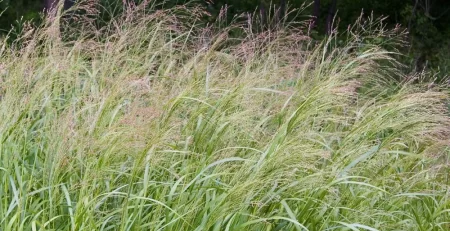
Description: Lindheimer’s Muhly Grass is a warm season, clump forming ornamental grass grown for its clean, upright foliage and airy seed heads, used as a specimen, in groups for a soft screen, or as a durable texture plant in mixed borders, rain gardens, and naturalistic designs. It forms a dense fountain of narrow, arching, blue green to gray green blades that stay neat through the growing season, with flowering stems rising above the foliage and carrying open, cloudlike panicles that move readily in wind. It blooms from late summer into fall, producing finely branched, feathery panicles of small grass florets that mature to showy, straw colored seed heads. In gardens it is valued for low maintenance structure, contrast with broad

leaved perennials and shrubs, and for adding seasonal motion and winter interest when seed heads are left standing. It supports wildlife by providing cover and nesting material for small animals and birds, and its seeds can be taken by seed eating birds. Once established it is notably tolerant of heat, drought, wind, and poor to average, well drained soils, and it typically shows good resistance to browsing by deer.
Propagation & Planting: Plant Lindheimer’s Muhly Grass in a sunny, open site with well drained soil; avoid spots that stay wet after rain. Loosen the soil 8 to 12 inches deep, break up compaction, and mix in a small amount of compost only if the soil is very poor, keeping the finished grade level so water does not collect around the crown. Dig a hole just as deep as the root ball and 2 to 3 times as wide, set the plant so the top of the root ball sits even with or slightly above the surrounding soil, then backfill and firm gently. Space plants far enough apart that air can move between them and each clump can expand without crowding. Water thoroughly right after planting to settle soil around the roots, then apply a thin mulch layer to limit weeds and reduce evaporation, keeping mulch a couple inches away from the plant base. Propagate Lindheimer’s Muhly Grass by division in spring: lift a mature clump, cut it into smaller sections with roots attached, replant divisions at the same depth, and water in well.
Plant Care: Lindheimer’s Muhly Grass performs best in full sun and will tolerate light shade, but flowering and density are usually better with more sun. Water deeply to establish and then let the soil dry somewhat between waterings; once settled, water only during extended dry spells, and avoid frequent shallow watering. Use well-drained soil and avoid sites or containers that stay wet, since consistently soggy conditions can cause decline. Fertilizer is rarely needed; if growth is weak, apply a light dose of a balanced, slow-release fertilizer in spring, and avoid heavy feeding that can produce soft, floppy growth. Groom by combing or raking out dead leaves by hand as needed, and cut back old foliage in late winter or very early spring before new growth starts; keep cuts above the crown and remove debris. In containers, use a free-draining potting mix, ensure strong
drainage holes, and water more often than in-ground plants while still allowing drying between waterings. Monitor for occasional foliar spotting in humid, crowded conditions and improve airflow by removing dead material.
Fertilize: Lindheimer’s Muhly Grass usually does not need routine fertilization. It is adapted to lean soils, and regular feeding often causes weak, floppy growth and fewer, less attractive flower plumes. If growth is clearly poor in spring, or if it is in very sandy soil with little organic matter, apply a light feeding once a year when new growth begins. Use a slow-release, balanced fertilizer such as 5-5-5 or 10-10-10, or a slow-release product with slightly lower nitrogen (the first number) than the others. Apply at half the label rate, scatter evenly in a wide ring a few inches away from the crown, and water in well. Do
not fertilize again that year. Avoid high-nitrogen lawn fertilizers.
Prune: Prune Lindheimer’s Muhly Grass once a year in late winter or very early spring, just before new growth starts. Gather the foliage into a loose bundle and cut it back evenly to about 4 to 6 inches above the ground, keeping cuts level and avoiding scalping into the crown (the tight base where new shoots emerge). Use sharp hand pruners for small clumps, or hedge shears for faster work on larger clumps, and stop if you feel resistance at the base. Avoid pruning in late spring through fall, since cutting then removes the season’s growth and can weaken the plant before dormancy. You can also tidy anytime by snipping out dead stems or broken blades at their base, but avoid frequent partial haircuts, which leave ragged tips. Wear gloves and eye protection.
Pest & Disease: Lindheimer’s Muhly Grass is generally trouble-free, but the most common issues in home landscapes are aphids, spider mites, and root and crown rots caused by water-loving fungi and fungus-like organisms. Aphids cluster on tender new shoots and seed stalks, leaving sticky honeydew that can attract sooty, black surface mold; they cause symptoms by piercing tissues and sucking sap, which can curl or weaken new growth. Spider mites are most noticeable in hot, dry periods, causing fine stippling that turns foliage dull, pale, or bronzed, sometimes with faint webbing; they feed by puncturing leaf cells and draining their contents. Root and crown rots show up as overall thinning, yellowing, poor vigor, or sudden collapse, with dark, soft tissues near the base and roots that look brown and mushy; these diseases damage roots and the crown so the plant cannot take up water and oxygen. For aphids and mites, monitoring alone is often enough if populations are light and the plant remains vigorous; otherwise start with a strong water spray to knock pests off, improve air movement, and avoid excess nitrogen that drives soft growth. In heavier infestations, use insecticidal soap or horticultural oil, thoroughly wetting leaf surfaces and repeating as needed; for spider mites, focus on undersides of leaves and avoid spraying during heat stress. Reserve stronger, broad-spectrum insecticides for severe, persistent outbreaks, and follow label directions carefully to limit harm to beneficial insects. For root and crown rots, chemical “rescue” is unreliable once advanced; reduce irrigation, correct drainage, and remove badly affected clumps, replanting into well-drained soil. Prevention centers on steady but not excessive watering, keeping the crown from staying constantly wet, spacing for airflow, rinsing dusty foliage during dry spells to discourage mites, and promptly removing declining material to reduce pest carryover.
Attribution: This plant information is the copyrighted property of PlantTAGG, Inc. (www.planttagg.com) and is published with permission.
Link to Full Profile: https://m.planttagg.com/#/public/details?key=56L3LWNOJQHEY3CHEH3ALHHLXJ5