
Malus ioensis, Prairie Crabapple


Botanical Name: Malus ioensis
Common Name: Prairie Crabapple
Synonyms:
Category: Tree (Fruit)
Family: Rosaceae
Lifecycle: Perennial
Lifecycle (Alt): Perennial
USDA Symbol: MALU3
Hardiness Zone North: 4A
Hardiness Zone South: 9B
Sun Requirement: Full Sun (6+ hours)
Sun Requirement (Alt): Partial Shade (2-4 hours)
Water Requirement: Medium
Growth Rate: Moderate
Maintenance: Medium
Plant Adult Height: 15-25 ft.
Plant Adult Spread: 15-25 ft.
Plant Spacing: 15-20 ft.
Soil Preference: Adaptable
Soil pH Preference: Slightly Acidic (6.1-6.5)
Propagation: Grafting, Seed
Attracts: Bees, Birds, Butterflies, Moths
Resists: Deer, Disease
Tolerates: Freeze, Drought, Clay Soil, Heat
Miscellaneous: Native Plant
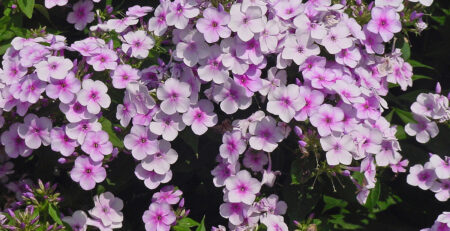
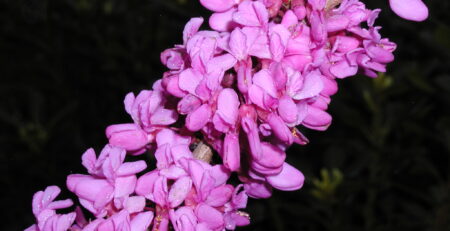
Description: The Prairie Crabapple, scientifically known as Malus ioensis, is a deciduous tree native to North America, primarily found in the central United States. This small tree holds ornamental value due to its attractive, showy white to pink flowers that bloom in the spring. As a distinctive feature, the Prairie Crabapple produces fragrant blossoms that are five-petaled, typical of other crabapple species, and mature into small, yellow-green fruits in the fall, often with a reddish blush. These fruits, although not commonly consumed raw due to their tartness, can be used to make jellies and preserves. In landscaping and home gardening, the Prairie Crabapple serves as a valuable addition for ornamental purposes, providing spring and fall interest, and acting as a focal point or specimen tree in gardens. It is beneficial for wildlife, attracting a variety of pollinators such as bees and butterflies during its blooming period. Birds are also drawn to the tree for its fruit. Like some other crabapple varieties, the Prairie Crabapple sometimes suffers from common pests and diseases like apple scab, fire blight, and cedar-apple rust, but it can be a robust choice for natural plantings. The tree tolerates a range of soil types, emphasizing its adaptability, though it prefers well-drained sites. Despite its hardiness, it’s not considered invasive, and it doesn’t pose toxicity risks to humans or pets. Its growth form and foliage add textural diversity to various garden designs. Compared to other crabapple species, the Prairie Crabapple’s unique trait includes its deeply lobed leaves, which differ from the simple leaves usually seen in other Malus species. Being easy to maintain with minimal pruning required beyond basic care, the Prairie Crabapple can be integrated into diverse landscape settings where natural plantings or ecological restoration projects are desired.
Propagation & Planting: To plant Prairie Crabapple, select a location with well-draining soil and full sun exposure. Begin by digging a hole twice the width and equal to the depth of the root ball. Gently remove the tree from its container, teasing out any encircling roots to prevent future issues. Position the tree in the center of the hole, ensuring the root flare is at or slightly above ground level. Backfill with the original soil, firmly pressing around the roots to eliminate air pockets. Water thoroughly to settle the soil. Mulching around the base with organic matter, such as mulch or wood chips, can help retain moisture and suppress weeds, but keep it clear of the trunk to avoid rot.
For propagation, collect ripe seeds from mature fruits in the fall. Clean and stratify the seeds by placing them in a moist medium, like sand or peat, in a refrigerator for about 3 months. After stratification, sow the seeds in a seed-starting mix, covering them lightly with soil. Keep the soil consistently moist until germination and then gradually acclimate the seedlings to outdoor conditions before planting them in their final location. Alternatively, softwood cuttings taken in early summer can be rooted in a well-draining medium with appropriate humidity and light conditions.
Plant Care: To ensure optimal care for the Prairie Crabapple, plant it in well-drained, loamy soil enriched with organic matter, ensuring the site receives full sun for at least six hours daily for prolific blooming and fruiting. Regular irrigation is essential during the tree’s establishment phase; afterward, water deeply but infrequently, allowing the soil to dry slightly between sessions to prevent root rot. Mulch around the base with organic material, such as wood chips or bark, to conserve moisture and suppress weeds, ensuring the mulch does not touch the trunk to prevent rot. Pruning should be conducted in late winter or early spring to promote a healthy structure, remove dead or crossing branches, and enhance air circulation. Apply a balanced, slow-release fertilizer in early spring to support growth and flowering. Keep an eye out for pests such as apple scab, fire blight, and cedar-apple rust, employing organic or chemical management strategies as necessary. Encourage beneficial insects as natural enemies of pests by maintaining a diverse garden habitat. Regularly inspect for signs of disease or insect activity for prompt action.
Fertilize: Fertilization of the Prairie Crabapple is generally unnecessary if it is planted in fertile, well-draining soil. However, if the soil is of poor quality or the tree shows signs of nutrient deficiency such as stunted growth or pale foliage, applying a balanced fertilizer can be beneficial. A slow-release granular fertilizer with an NPK ratio of 10-10-10 can be used. Apply it in early spring just before new growth begins. Spread the fertilizer uniformly over the soil under the canopy, keeping it away from the trunk, then water thoroughly to help the nutrients reach the root system. Ensure the soil is moist but not waterlogged, as proper moisture aids nutrient absorption. This approach supports healthy growth and optimal flowering for the Prairie Crabapple in appropriate environmental conditions.
Prune: To prune a Prairie Crabapple, perform the task during late winter to early spring, just before the buds start to swell. This timing promotes healthy growth and minimizes stress on the plant. Focus on removing dead, damaged, and crossing branches to improve air circulation and light penetration throughout the canopy. When pruning, aim to maintain an open, vase-like shape, which also enhances the tree’s aesthetic appeal. Use sharp, clean pruning tools to make precise cuts, and always cut back to a main branch or just above a bud to encourage new growth. Avoid pruning during the fall, when diseases can easily spread, or during active growth periods in spring and summer, which can lead to excessive sap loss and stress. Regular maintenance pruning can be done annually or biannually to maintain the tree’s shape and health.
Pest & Disease: The Prairie Crabapple is susceptible to various pests and diseases. Common pests include apple maggots, spider mites, and aphids. These can be identified by their effects: apple maggots cause dimples in fruit, spider mites create webbing on leaves, and aphids result in sticky residue and distorted leaf growth. Effective treatments involve using horticultural oils or insecticidal soaps to manage infestations, ensuring thorough coverage on affected areas. For fungal diseases like apple scab, powdery mildew, and cedar-apple rust, prevention and management are critical. Apple scab manifests as olive-brown spots on leaves and fruit, powdery mildew appears as white powdery growth, and cedar-apple rust causes round galls on leaves. Regularly apply fungicides in early spring, focusing on affected areas. Maintain proper sanitation by removing fallen leaves and pruning infected branches to prevent spread. Implementing resistant cultivars and proper aeration through pruning helps reduce disease occurrence. Regular monitoring and early intervention are crucial to maintaining the health of Prairie Crabapple against these common threats.
ttribution: This plant information is the copyrighted property of PlantTAGG, Inc. (www.planttagg.com) and is published with permission.
Link to Full Profile: https://m.planttagg.com/#/public/details?key=GI5QDY637OHGRJ152XVFA4YECNLN7CPDXVA5HQ9