
Farfugium japonicum, Leopard Plant


Botanical Name: Farfugium japonicum
Common Name: Leopard Plant, Tractor Seat Plant
Synonyms:
Category: Perennial
Family: Asteraceae
Lifecycle: Perennial
Lifecycle (Alt): Perennial
USDA Symbol: FAJA8
Hardiness Zone North: 7A
Hardiness Zone South: 10B
Sun Requirement: Partial Shade (2-4 hours)
Sun Requirement (Alt): Full Shade (little or no direct sun)
Water Requirement: Medium
Growth Rate: Moderate
Maintenance: Low
Plant Adult Height: 1-2 ft.
Plant Adult Spread: 2-3 ft.
Plant Spacing: 18-24 in.
Soil Preference: Loam
Soil pH Preference: Adaptable
Propagation: Division, Seed
Attracts: Bees, Butterflies, Moths
Resists: Rabbit, Deer, Disease
Tolerates: Clay Soil, Heavy Shade, Wet Soil, Heat
Miscellaneous: Monoecious, Houseplant
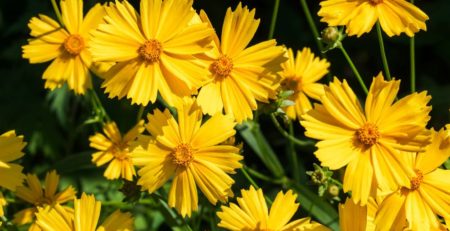
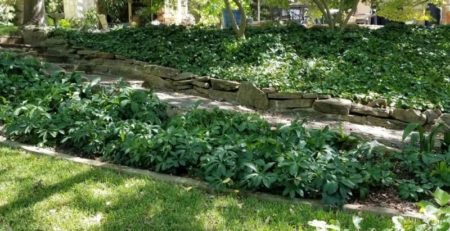
Description: Leopard Plant, or Farfugium japonicum, is a semi-evergreen perennial recognized for its ornamental foliage and yellow flowers. The plant originates from Japan and Korea, often found in shaded or semi-shaded environments. It features large, rounded, leathery leaves that can be dark green, often mottled with white or yellow spots, resembling a leopard’s coat. Its foliage is a prominent attribute, making it a popular choice for adding texture and color to gardens and shaded landscapes. In the autumn, Leopard Plant produces daisy-like yellow flowers that add a touch of brightness to shaded areas. The plant is well-suited for use in shade gardens, mixed borders, or as a ground cover in woodland settings. Leopard Plant attracts pollinators, particularly bees and butterflies, making it beneficial for wildlife gardens. The plant is generally resistant to deer, a valuable trait for areas with high deer activity. Leopard Plant is not considered invasive and poses no major toxicity risks to humans or pets. However, its appeal comes mostly from its foliage rather than its flowers, as the blooms are not particularly fragrant or visually striking compared to other garden plants. Despite this, the unique foliage patterns provide visual interest throughout the growing season. Leopard Plant can be susceptible to slug and snail damage due to its preference for moist soil environments. Regular monitoring and management of these pests are advised to maintain the plant’s health and appearance. This species stands out due to its adaptability in low-light conditions and its distinctive leaf patterns, qualities that are less common in similar groundcover plants, making it a versatile and low-maintenance option for gardeners seeking to enhance shaded landscapes.
Propagation & Planting: To plant a Leopard Plant, choose a site with partial to full shade and well-draining, consistently moist soil enriched with organic matter. Begin by digging a hole twice as wide and as deep as the root ball. Position the Leopard Plant in the center, ensuring the top of the root ball is level with the soil surface. Backfill with native soil mixed with compost to support healthy growth. Water thoroughly after planting to settle the soil around the roots. For propagation, Leopard Plants can be divided. This is best done in spring or early autumn. Carefully dig up the plant and gently separate the rhizomes, ensuring that each division has adequate roots and at least one growing bud. Replant the divisions immediately at the same depth they were originally growing, following the planting instructions above. Water well after planting to help establish roots. Mulching around the base will help retain moisture and regulate soil temperature.
Plant Care: Leopard Plant thrives in partial to full shade, making it ideal for shaded areas of gardens. It prefers consistently moist, well-draining soil enriched with organic matter. Regular watering is essential to maintain soil moisture but avoid waterlogging, which can lead to root rot. Applying a layer of mulch helps retain moisture and regulate soil temperature. This plant appreciates high humidity, so misting the leaves can be beneficial in drier conditions. During the growing season, from spring to early fall, a balanced liquid fertilizer applied every four to six weeks will support healthy growth. Pruning involves removing spent flowers and any damaged or yellowed leaves to encourage new growth and maintain a tidy appearance. Leopard Plant is sensitive to cold temperatures; provide frost protection by mulching heavily around the base or moving potted plants indoors. Regular checks for pests such as slugs and snails are recommended, with appropriate organic or chemical controls if needed. With these care practices, Leopard Plant will thrive and add unique foliage to your garden.
Fertilize: Fertilizing Leopard Plant can enhance its lush foliage, particularly when grown in containers or in nutrient-poor soils. Use a balanced, all-purpose fertilizer with an NPK ratio of 10-10-10 or 14-14-14. Apply the fertilizer during the growing season, from early spring to late summer, every 4-6 weeks. Ensure the soil is moist before application to prevent root burn. Apply the fertilizer around the base of the plant, following the package’s instructions for dosage based on the plant’s size, and then water thoroughly. Avoid fertilizing during fall and winter, as the plant enters dormancy and does not require additional nutrients. Ground-grown Leopard Plants in well-nourished soils often do not need additional fertilization, as excess nutrients can lead to weak, leggy growth. Adjustments might be necessary in regions with specific climatic conditions, particularly to account for rainfall and soil composition.
Prune: Prune the Leopard Plant primarily in late winter to early spring, just before new growth begins. This timing allows for optimal healing and encourages vigorous new growth. Focus on removing any dead, damaged, or diseased leaves and stems, cutting them back to the base. Also, trim away any old flower stalks and leggy or unruly growth to maintain the plant’s shape and appearance. Use sharp, sterilized pruning shears to prevent disease transmission. Avoid pruning in late spring or summer when the plant is actively growing, as this can stress the plant and hinder its development. Refrain from heavy pruning in fall or early winter, as this may expose the plant to cold damage. Instead, remove only obviously dead or damaged leaves during this period. Regular pruning will help the Leopard Plant remain healthy and visually appealing.
Pest & Disease: To effectively identify and treat common pests and diseases affecting the Leopard Plant, start by monitoring for signs of slugs and snails, which often feast on the plant’s foliage, leaving irregular holes. Physical barriers, like copper tape, and removing debris can be effective preventative measures, while baits offer control when necessary. Aphids may also target the Leopard Plant, often congregating on new growth, causing distortion and yellowing of leaves. Introduce beneficial insects like ladybugs or apply insecticidal soap or neem oil for treatment. Fungal diseases, such as powdery mildew, are another concern; this appears as white, powdery patches on leaves. Ensure adequate air circulation and avoid overhead watering to prevent spread. If mildew develops, remove and dispose of infected leaves and treat with fungicidal sprays if necessary. Regularly inspect plants for symptoms and respond promptly to maintain their health and vigor.
Attribution: This plant information is the copyrighted property of PlantTAGG, Inc. (www.planttagg.com) and is published with permission.
Link to Full Profile: https://m.planttagg.com/#/public/details?key=5SKD6W4BAGEI3NYBPHNMMSRIO75