
Dwarf Ruellia (Ruellia simplex ‘Katie’)


- Botanical Name: Ruellia simplex ‘Katie’
Common Name: Katie’s Dwarf Mexican Petunia, Dwarf Ruellia
Synonyms:
Category: Perennial
Family: Acanthaceae
Lifecycle: Perennial
Lifecycle (Alt): Annual
USDA Symbol: RUSI2
Hardiness Zone North: 8A
Hardiness Zone South: 11B
Sun Requirement: Full Sun (6+ hours)
Sun Requirement (Alt): Part Shade (2-4 hours)
Water Requirement: Medium
Growth Rate: Moderate
Maintenance: Low
Plant Adult Height: 8-12 in.
Plant Adult Spread: 12-18 in.
Plant Spacing: 12-18 in.
Soil Preference: Adaptable
Soil pH Preference: Adaptable
Propagation: Division
Attracts: Bees, Butterflies, Hummingbirds
Resists:
Tolerates: Clay Soil, Drought, Dry Soil, Heat, Wet Soil
Miscellaneous: Wildflower, Tolerates Poor Soil
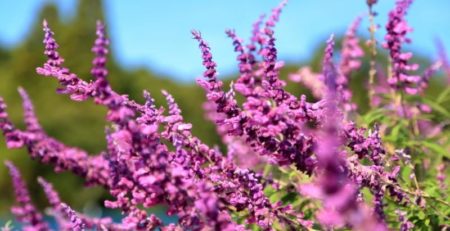
Description: Designated as a “Superstar” in the state of Texas, Katie’s Dwarf Mexican Petunia is a compact variety known for its bright lavender-blue blooms, commonly seen in various credible floral images. This plant is distinctive for its lower growth habit compared to other Mexican petunias, making it less prone to becoming invasive, unlike its taller relatives. It originates from Mexico and the southwestern United States, yet it has been cultivated widely beyond these regions. The blooms appear primarily from late spring to

fall, offering a long blooming period during the warmer months. This petunia is known for attracting pollinators such as butterflies and hummingbirds, contributing to its popularity in butterfly gardens or wildlife-friendly landscapes. It is often used in both border plantings and containers due to its restricted height, making it versatile in various garden settings. Katie’s Dwarf Mexican Petunia exhibits high tolerance to heat and can withstand periods of drought, which makes it a resilient choice for low-maintenance gardening. It performs best in full sun to partial shade and is less demanding in terms of soil quality, though it does thrive in moderately fertile, well-drained soils. Its resistance to common garden pests and diseases further enhances its desirability for gardeners seeking easy-care options. While it shares some characteristics with other Ruellia species, its dwarf stature and non-aggressive nature uniquely distinguish it, allowing gardeners to enjoy the aesthetic qualities of Mexican petunias without the concern of uncontrolled spreading. Additionally, this variety does not present any known toxicity risks to pets or humans, making it a safer choice for gardens frequented by children or animals. Overall, Katie’s Dwarf Mexican Petunia is a practical and visually pleasing option for gardeners seeking color, ecological benefits, and ease of care.
Propagation & Planting: To plant Katie’s Dwarf Mexican Petunia, choose a location with full sun to partial shade and well-draining soil. Begin by loosening the soil to a depth of about 12 inches and amend with compost if needed to improve fertility and drainage. Dig a hole twice as wide and as deep as the root ball. Remove the plant from its container and gently tease out any circling roots. Position the plant in the hole so that the top of the root ball is level with the surrounding soil. Backfill with soil, pressing down gently to eliminate air pockets. Water thoroughly to settle the soil around the roots. Space additional plants about 12 to 18 inches apart to allow for growth. Mulch around the plants with a 2-3 inch layer of organic material to conserve moisture and suppress weeds. Regular watering is essential until the plants are well established.
Plant Care: Katie’s Dwarf Mexican Petunia thrives in well-drained soil with a preference for moist, organically rich conditions. Regular watering is essential to keep the soil consistently moist but not waterlogged, although it can tolerate brief dry spells once established. For optimal growth, position the plant in full sun to partial shade, as it performs best with at least six hours of sunlight each day. During the growing season, apply a balanced, slow-release fertilizer to support healthy foliage and blooms. Deadheading spent flowers encourages continuous blooming, although not always necessary for the plant’s vitality. Mulching around the base helps retain moisture and suppress weeds. Pruning can be undertaken in early spring to remove any dead or damaged stems and to maintain a tidy shape. Katie’s Dwarf Mexican Petunia can be divided every few years to prevent overcrowding and rejuvenate its growth. Monitor for pests such as aphids and spider mites, and treat with appropriate insecticidal soap if detected. Regularly checking for general plant health and addressing any issues promptly will ensure vibrant and flourishing growth.
Fertilize: Katie’s Dwarf Mexican Petunia generally thrives without fertilization in average garden soil. However, if the plant exhibits poor growth or yellowing leaves, a balanced fertilizer such as 10-10-10 (NPK) can be beneficial. Apply in early spring to encourage new growth. Use a granular or liquid formulation, following label instructions for application rates. If using granular fertilizer, distribute evenly around the plant base,

ensuring it does not touch the stems, and water thoroughly afterwards. Avoid excessive fertilization, as this can lead to leggy growth or reduced flowering. In very sandy or nutrient-poor soils, a second application in midsummer may be beneficial, particularly in regions with long growing seasons. Always monitor the plant’s response to fertilization and adjust accordingly to maintain optimal health.
Prune: Prune Katie’s Dwarf Mexican Petunia to promote vigorous growth and maintain a tidy appearance. The ideal times to prune are in early spring, just before new growth begins, and after the main blooming period, which typically occurs in late summer to early fall. During these times, remove any dead or damaged stems, and trim back leggy growth to encourage bushiness. Avoid heavy pruning during active blooming phases to prevent interrupting flowering cycles. Make clean cuts just above a node or leaf joint using sharp, sterilized pruning shears to minimize disease risk. Be cautious not to over-prune, which can stress the plant and hinder its natural growth habit. Regular light pruning throughout the growing season can be beneficial for maintaining shape and managing size. Do not prune in late fall or winter, as this can increase the risk of damage from cold temperatures and inhibit healthy regrowth.
Pest & Disease: Katie’s Dwarf Mexican Petunia is susceptible to several common pests and diseases. Aphids, spider mites, and whiteflies are frequent pests affecting this plant. To manage these, regularly inspect the undersides of leaves and use insecticidal soap or neem oil as needed. For severe infestations, consider introducing natural predators like ladybugs. Fungal infections such as powdery mildew and root rot are common diseases. Powdery mildew presents as a white, powdery coating on leaves, which can be treated with fungicidal sprays and by improving air circulation. Root rot, caused by overly wet soil conditions, can be mitigated by ensuring proper drainage and avoiding overwatering. Remove affected leaves and plant debris promptly to prevent the spread of fungal spores. Always sanitize gardening tools between uses to reduce disease transmission. Consistent monitoring and adopting integrated pest management practices will help maintain the health of your Katie’s Dwarf Mexican Petunia.
Attribution: This plant information is the copyrighted property of PlantTAGG, Inc. (www.planttagg.com) and is published with permission.
Link to Full Profile: https://ptln.io/NjczNTE