The Ginkgo’s Golden Grand Finale
Most deciduous trees shed their leaves gradually over several weeks in autumn. The ginkgo prefers a more dramatic approach.
After turning a brilliant golden yellow, a ginkgo tree may drop nearly all its leaves within a single day, sometimes in just a few hours. Scientists believe this happens because the separation layer between the leaves and the branches forms rapidly and almost simultaneously, allowing thousands of leaves to fall at once.
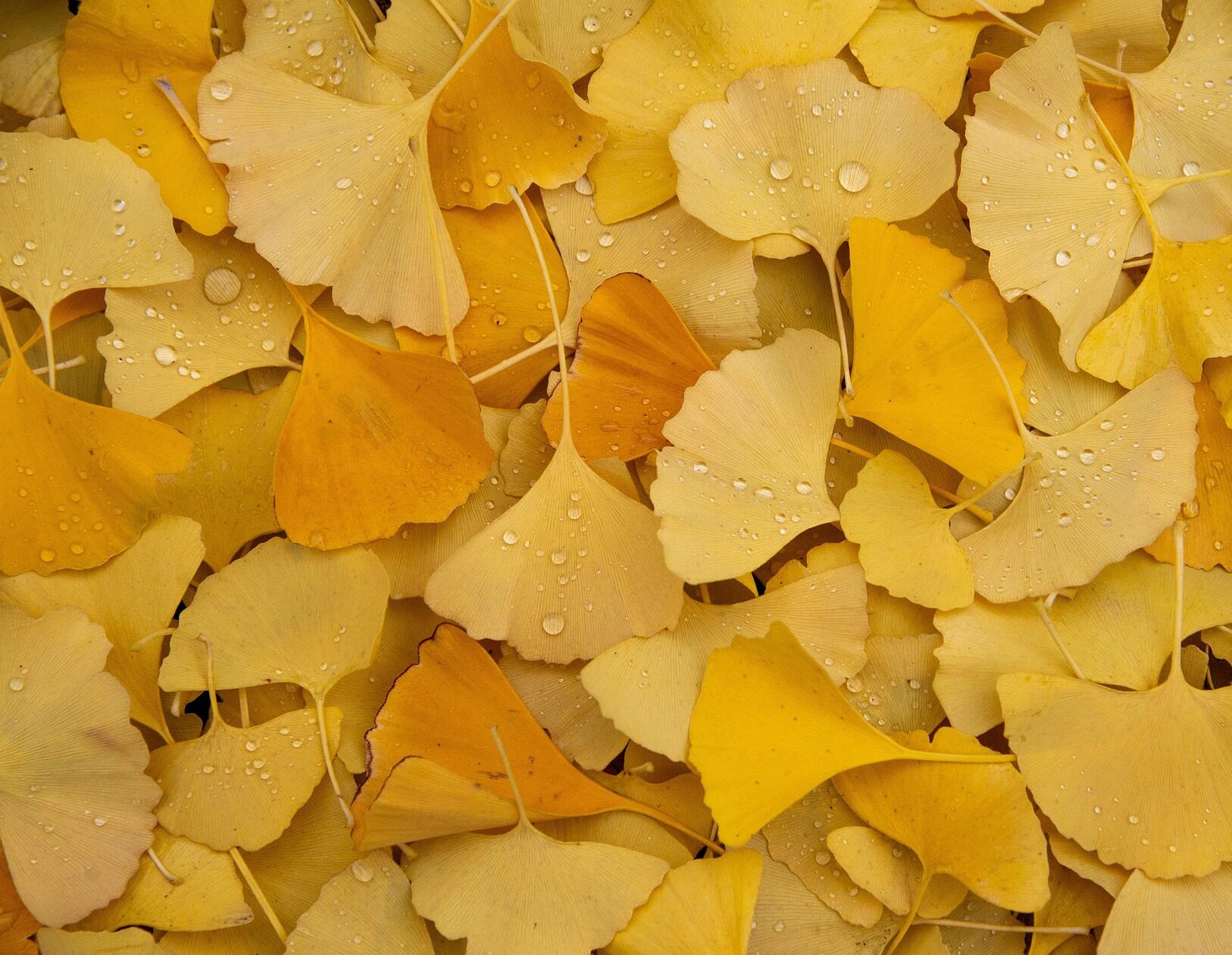
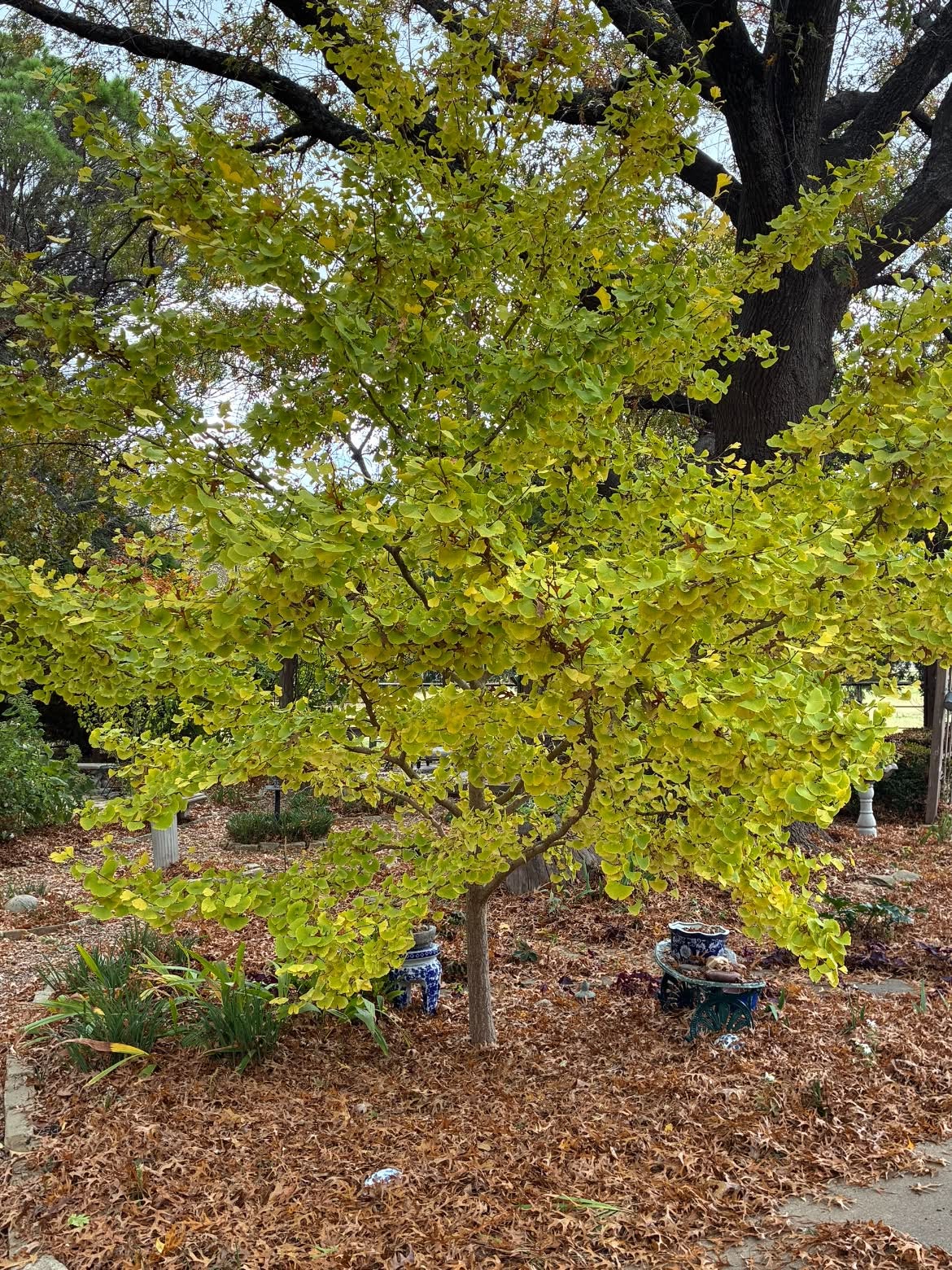
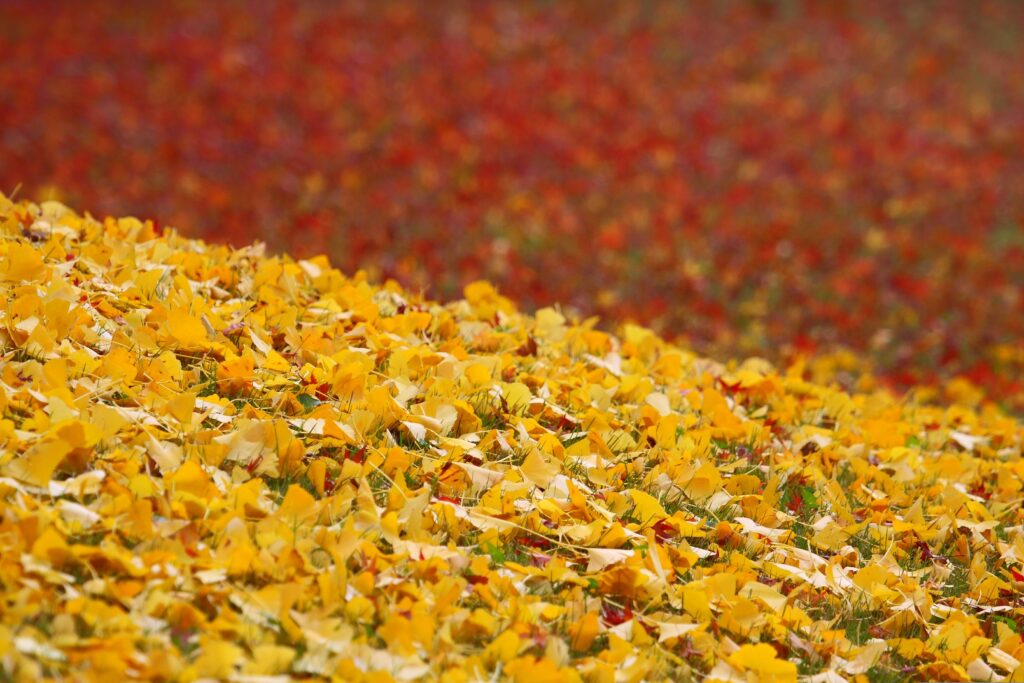
The spectacle often follows a hard frost. One day the tree stands glowing with golden foliage. The next, its branches are nearly bare and the ground beneath is covered with a dazzling yellow carpet.
This remarkable annual performance comes from an equally remarkable tree. Ginkgo biloba is often called a “living fossil” because its ancestors grew on Earth more than 200 million years ago. In fact, the ginkgo is the only surviving member of an ancient group of trees, making it unlike any other tree commonly found in today’s landscapes.
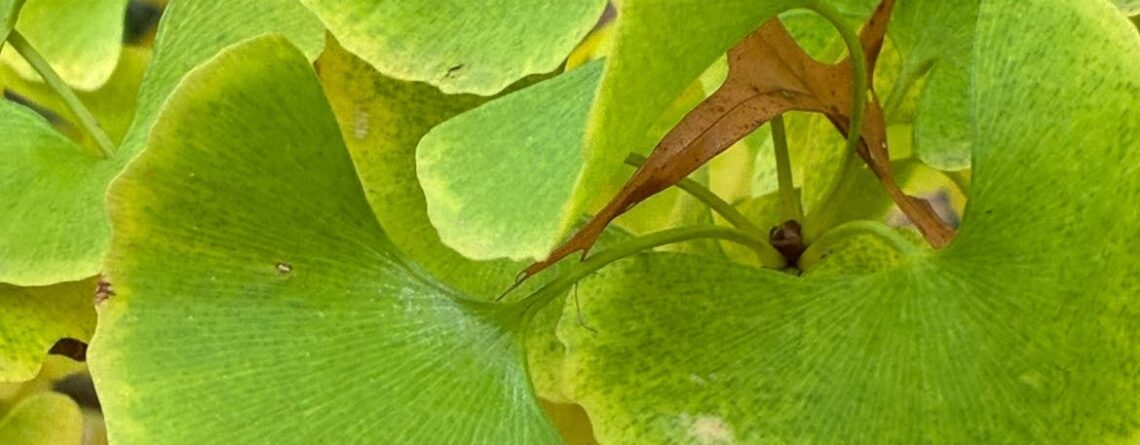
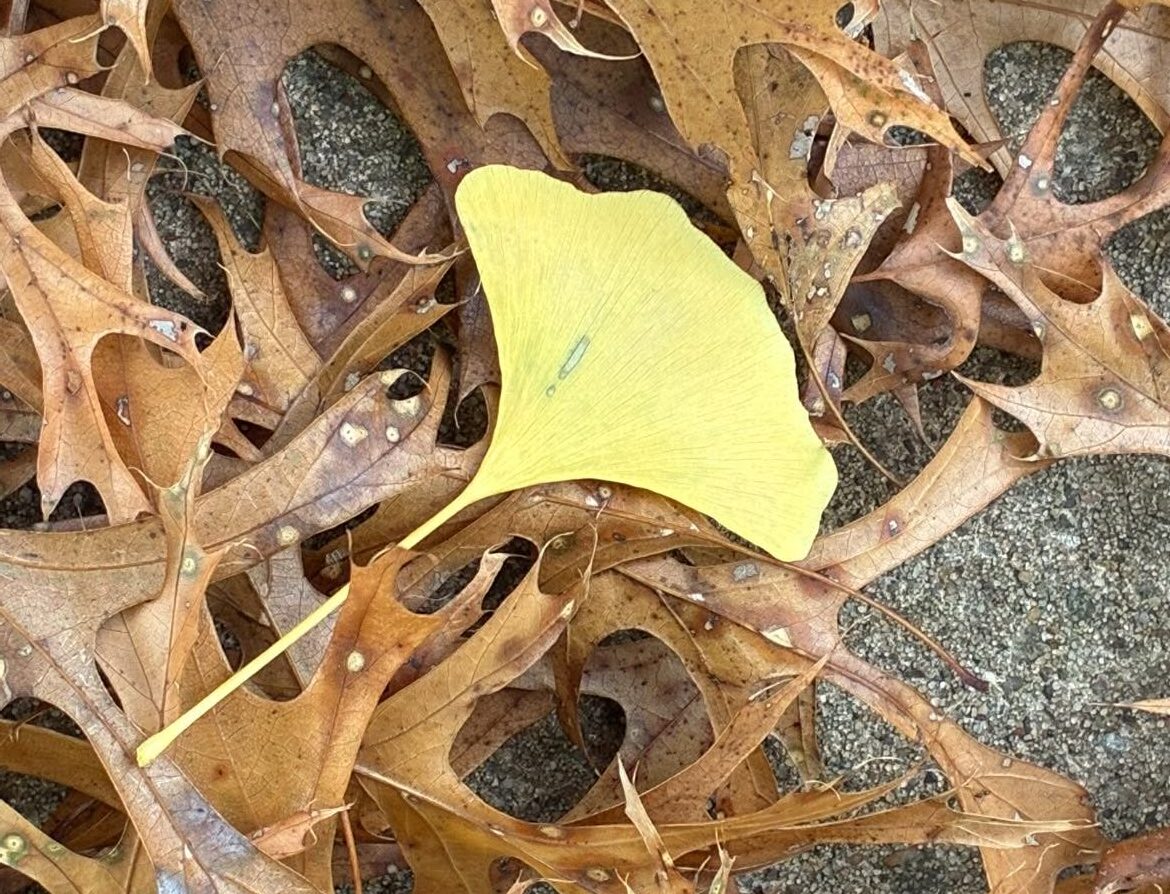
The ginkgo’s distinctive fan-shaped leaves add to its appeal. As autumn arrives, those leaves typically turn a clear, luminous yellow with surprising uniformity, creating one of the most striking fall displays found in the garden. Unlike many trees that display a patchwork of fall colors, ginkgos often transform almost all at once before their famous leaf drop.
Although ginkgos are not known as pollinator plants, they have earned a place in landscapes for other reasons. They are exceptionally durable trees, tolerating urban conditions that challenge many species. Their longevity, beauty, and resilience have made them symbols of endurance and hope around the world.
One of the most inspiring examples of that resilience comes from Hiroshima, Japan, where several ginkgo trees survived the atomic bombing and continued to grow. Today, they remain living symbols of recovery and perseverance.
For gardeners, the ginkgo’s annual leaf drop is a reminder that nature can still surprise us. If you’re fortunate enough to witness this golden cascade, consider yourself lucky. It is one of autumn’s most memorable performances, staged by a tree whose story began long before the age of dinosaurs had ended.
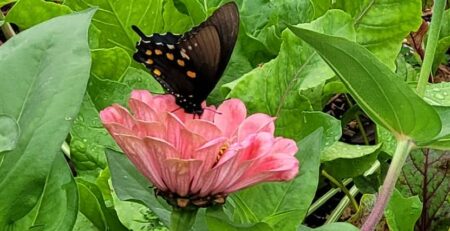
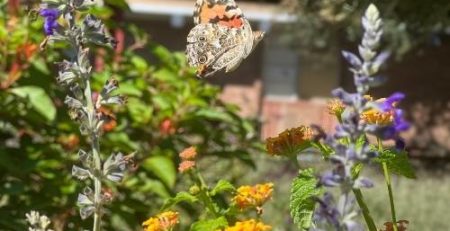
While ginkgos won’t attract butterflies, bees, or hummingbirds, they earn their place in the landscape through beauty, longevity, and one of the most spectacular autumn displays in the plant kingdom.
Special thanks to Collin County Master Gardener Mary Nell Jackson for such lovely photos of her gingko that she planted years ago as a “stick” (her word) and is now such a treasure in her garden.
Sources and Further Reading
- University of New Hampshire. Why Do Ginkgo Trees Drop All Their Leaves at Once? A UNH Expert Explains. [unh.edu]
- University of Georgia Extension Service. Ginkgo biloba Trees Turn Yellow Gold Before Rapidly Losing Leaves. [cincinnati.com]
- Biology Insights. Why Are My Ginkgo Tree Leaves Falling? [biologyinsights.com]